This article was published in TSE science magazine, TSE Mag. It is part of the Autumn 2025 issue, dedicated to finance and money. Discover the full PDF here and email us for a printed copy or your feedback on the mag, there.
In just over a decade, Bitcoin has gone from an obscure internet experiment to a trillion-dollar sensation. Today, there are thousands of digital coins, sparking fierce debate about the meaning of money. A TSE finance expert unpacks what economists think.
Will crypto replace traditional money?
Despite the hype, cryptocurrencies have not revolutionized money. Most are too volatile to be a reliable store of value – no one wants their salary or rent pegged to Bitcoin if it swings 10% in a day – and payments can be slow and costly. Prices are highly speculative, so they can crash suddenly. Other risks include market manipulation, financial exclusion, and lack of guarantees if wallets are hacked.
So what’s all the fuss?
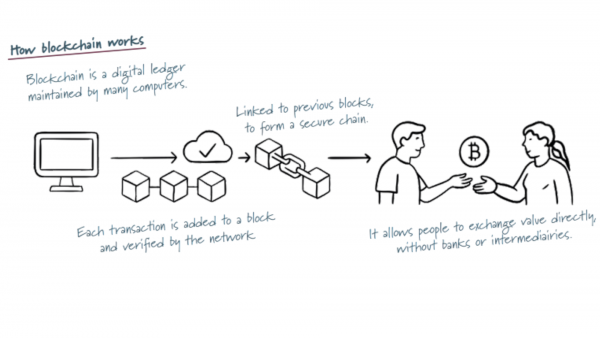
Blockchain is an impressive innovation, with potential applications including programmable money (using smart contracts), peer-to-peer finance, secure information storage, and central bank digital currencies (CBDCs).
However, many problems remain. For example, my research shows how blockchain forks, that reflect a breakdown in consensus on the transactions’ history or protocol rules, could slow down the adoption of this technology and of the cryptocurrencies that use it, and add to financial risk. Environmental impacts are also huge – proof-of-work validation can consume more electricity than entire countries.
Can crypto play a role when trust breaks down?
Digital assets can protect citizens from predatory governments, hyperinflation and political instability. This may explain their popularity in fragile economies like Argentina and Venezuela. But crypto can also undermine monetary policy or sustain illegal activities.